

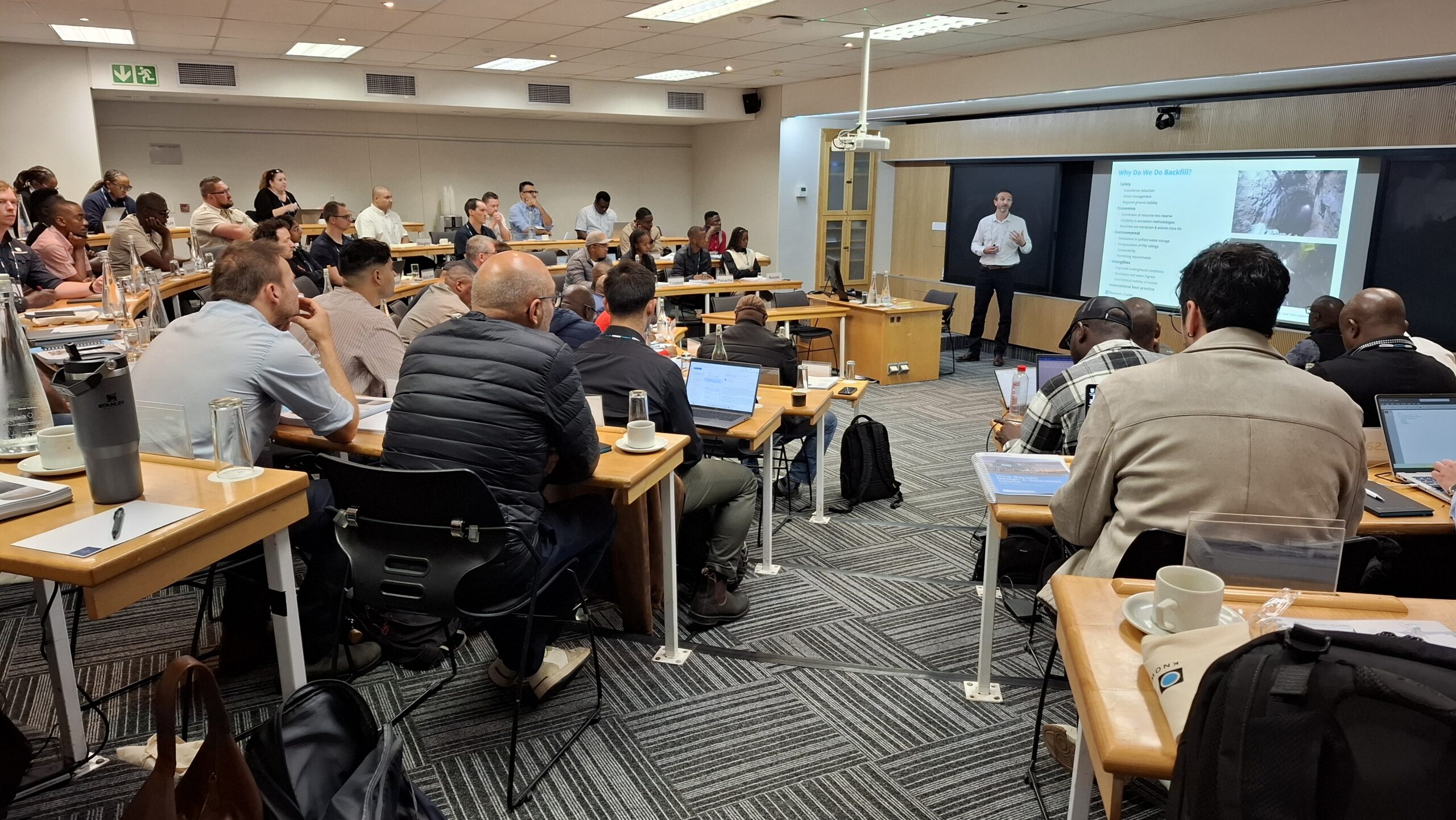
Paterson & Cooke recently welcomed mining professionals to Cape Town, South Africa, for our annual Backfill Design & Operation Course, held from 7 to 9 September 2026.
Exploring the Fundamentals of Backfill Engineering
The course brings together technical knowledge, practical examples and hands-on demonstrations to give delegates a deeper understanding of the factors that influence the design and operation of backfill systems.
A key focus of the course is helping delegates understand what is required to develop a safe, reliable and cost-effective backfill system. The course objectives include:
- Introduce the fundamental concepts of geomechanics and material properties
- Examine the various elements that go into engineering a backfill system, including testing, plant and process design, reticulation and barricades
- Relate to operational aspects of a backfill system including quality assurance, cost reduction, operational management plans, risk control and new technology
Backfill Course 2026
The course is presented by our senior staff, with contributions from guest speakers who bring additional industry experience and practical insight to the programme.
Topics covered during the course include:
- An overview of backfill
- Backfill selection considerations
- The importance of material testing
- Key equipment selection
- Plant design principles & realisation
- Plant design pitfalls
- Reticulation system design & operation
- Backfill binders & admixtures
- Backfill Geomechanics
- Barricades
- Backfill placement & monitoring
- Quality control & reconciliation
- Economics & life cycle planning
- Backfill system management & integration
Bringing Backfill Theory to Life in the Laboratory
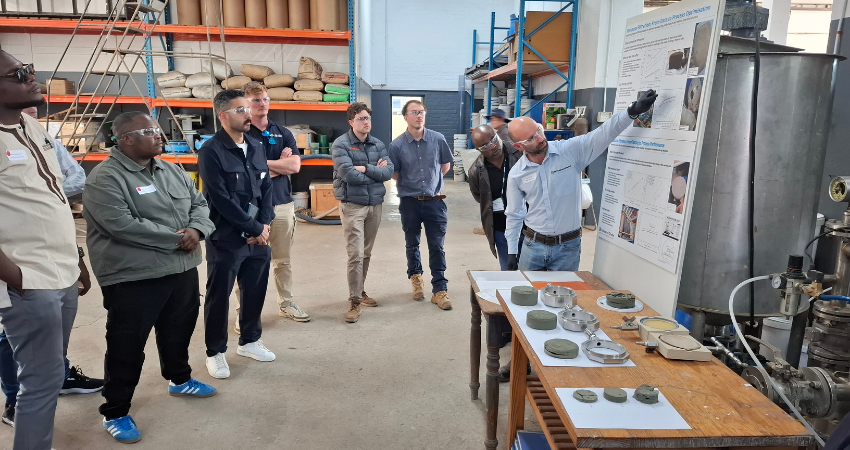
One of the highlights of the course is a visit to the Paterson & Cooke Cape Town metallurgical laboratory, where delegates can see some of the principles discussed in the classroom demonstrated through practical test work.
As part of our global network of testing facilities, the Cape Town laboratory supports our backfill engineering work through specialised testing and analysis. Our laboratories provide testing across the backfill lifecycle, helping engineers understand material behaviour and assess factors that influence strength, stability, transport and underground placement.
For course delegates, the laboratory visit provides an opportunity to see how backfill materials are tested and how laboratory results contribute to engineering decisions. It also offers a closer look at some of the challenges involved in backfill test work and the practical considerations that need to be taken into account when developing a backfill system.
By combining classroom learning with laboratory demonstrations, the course gives delegates the opportunity to connect backfill theory with its practical application in the mining environment.
Our laboratory demonstrations include:
- Material characterisation
- Thickening and Filtration test work
- Bulk materials handling
- Pipe loop test work
- Rheology test work
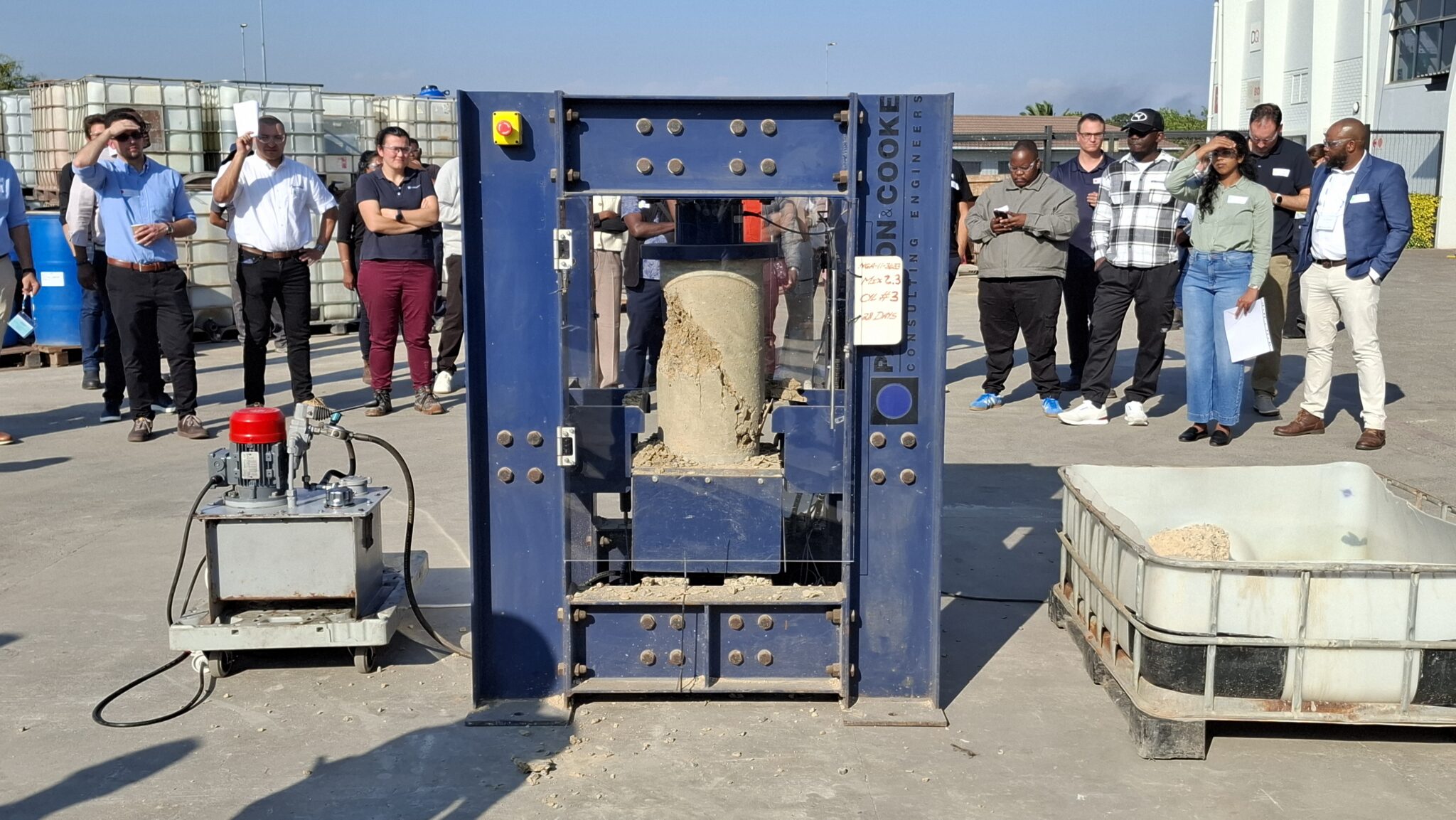
- Paste and cemented rock fill unconfined compressive strength testing
- Hydrometallurgical processing
A First-Hand Look at Paste Backfill
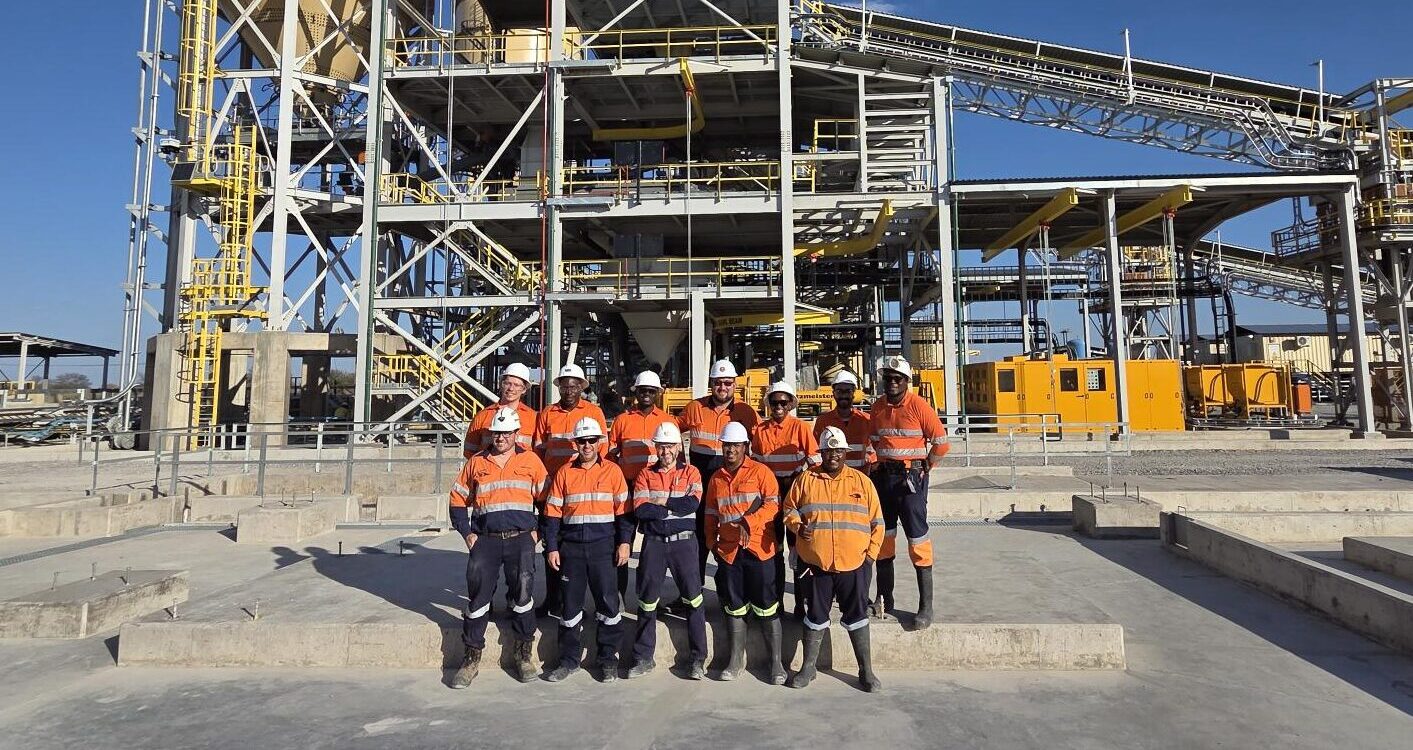
An optional site visit was offered to our participants. This year, delegates had the unique opportunity to tour Khoemacau Copper Mine in Botswana, where they explored the site’s paste backfill system in action.
Khoemacau Copper Mining, a subsidiary of MMG Limited, developed the Zone 5 Paste Fill System to support underground mining operations within the Kalahari Copper Belt of Botswana. The project incorporates a fully integrated backfill system spanning multiple facilities and engineering disciplines, linking the Boseto Process Plant with the Zone 5 underground mining operation.
The Zone 5 backfill facility receives filter cake delivered by truck and stores the material on dedicated stockpiles for reclamation into the paste fill plant. The backfill plant consists of three identical modules arranged in parallel, each capable of supplying a dedicated underground distribution pipeline. Two modules are currently being implemented, with provision for a third module as underground production and backfill demand increase. Each module is designed to produce up to 150 m³/h of paste fill for underground placement. Positive displacement piston pumps deliver the paste underground through a combination of surface pipelines, boreholes, and an underground distribution system. Each module distributes paste through a dedicated DN 200 reticulation system operating at pressures of up to 150 bar.
The site visit included visits to both the paste fill plant and various sections underground showing the underground reticulation system.
Feedback from Our Delegates
We received the following feedback from our course delegates:
“It was nice to see the passion for the subject from everyone presenting.”
“The lectures displayed a high level of expertise and knowledge on Backfill design.”
“Informative and straight to the point.”
“It was well structured and timed.”
“This course was very well designed, organised and managed.”
“A very good course with strong content and knowledgeable presenters.”
If you were unable to join us on this course, keep an eye on Courses & Training Page to view our upcoming courses.
Find out more about our Mine Backfill solutions.
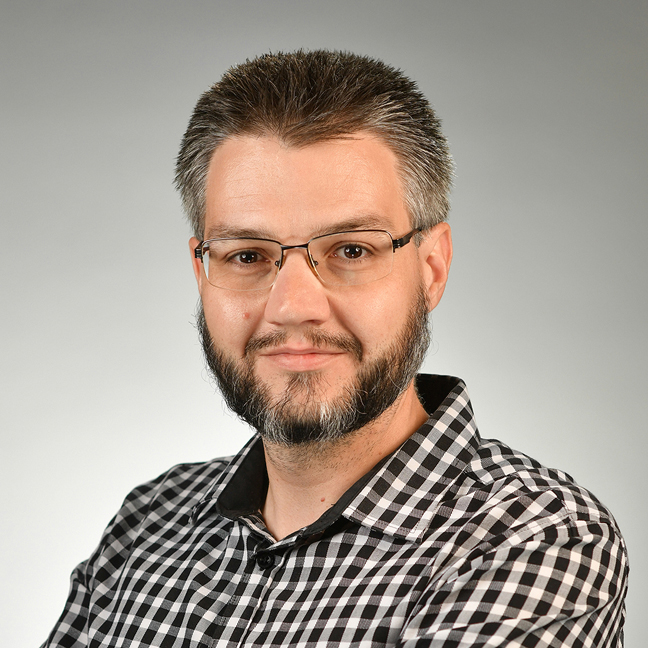
MSc Engineering (Civil), BSc Engineering (Civil)
Bruno is a director at our Cape Town office in South Africa. He leads the African mine backfill department and has completed projects from conceptual level through to detailed engineering, implementation, and commissioning.
Bruno’s postgraduate studies focussed on cement chemistry, and he now specialises in its application to backfill. He is part of the Paterson & Cooke Backfill Group and is involved globally with problematic backfill applications related to geochemistry and cement chemistry.